

Innovation follows a very stable pattern of four phases: (1) ignorance, (2) ridicule, (3) hostility, and (4) acceptance. In academia, this is no different, and every groundbreaking innovation that ultimately succeeds can look back on exactly these four phases.
Democracy, the assessment of its quality, and the criteria used to evaluate its state of development are, in scientific terms, outlined within a very stable pattern. A “good” democracy is traditionally described by three key dimensions: (a) freedom (e.g., political and economic rights), (b) equality (e.g., representation, gender, income), and (c) control (e.g., rule of law, accountability).
However, David began rethinking this long-standing tradition at the very start of the 21st century, aiming to develop a more contemporary concept better aligned with current developments. Over a decade ago, he finalised an advanced framework to improve the evaluation and development of democracy. This framework integrates quite visionary for that time (d) sustainable development into the quality appraisal matrix for democracy.
He was rejected for this concept – multiple times – and endured the four phases of innovation, remaining strong, patient, calm but still convinced and persistent. He firmly believed there was a strong demand to integrate sustainable development into a broader and more contemporary understanding of democracy. Today, I received his message: his concept has finally been accepted and officially published.
For us this is most important, due to the following two aspects:
- Vertical expansion of democracy
As we want to develop global democracy – we aim to work based on the best possible benchmarks at the national level, incorporating the latest state-of-the-art theoretical frameworks on democracy. While the core concepts of democracy – like one person, one vote, and the majority rule – has been historically profound and successful, there is still room for improvement. David’s work embodies this continuous desire for innovation, development, and improvement – a concrete milestone in advancing the concept of democracy. It sophisticates our (vertical) expansion of the democracy concept towards global democracy. - Horizontal expansion of democracy
We recognise global warming, climate disruption, and biodiversity loss as the greatest threat humanity has ever faced. Sustainable development lies at the very heart of mitigating these harmful developments toward a healthy and thus sustainable society – and it also represents the most formidable defiance for democratic systems. We strongly believe this requires a (vertical) deepening of democracy to integrate sustainable development. David’s work now provides strong arguments for the (horizontal) expansion of democracy toward sustainable development.
Please read the extended new democracy concept from David Campbell and how to better evaluate the quality of democracy in the future here:
“Sustainable Development and Quality of Democracy: 2002–2016, Exemplified Contemporary Historical Global Model in Interdisciplinary Transdisciplinarity (New IT)“
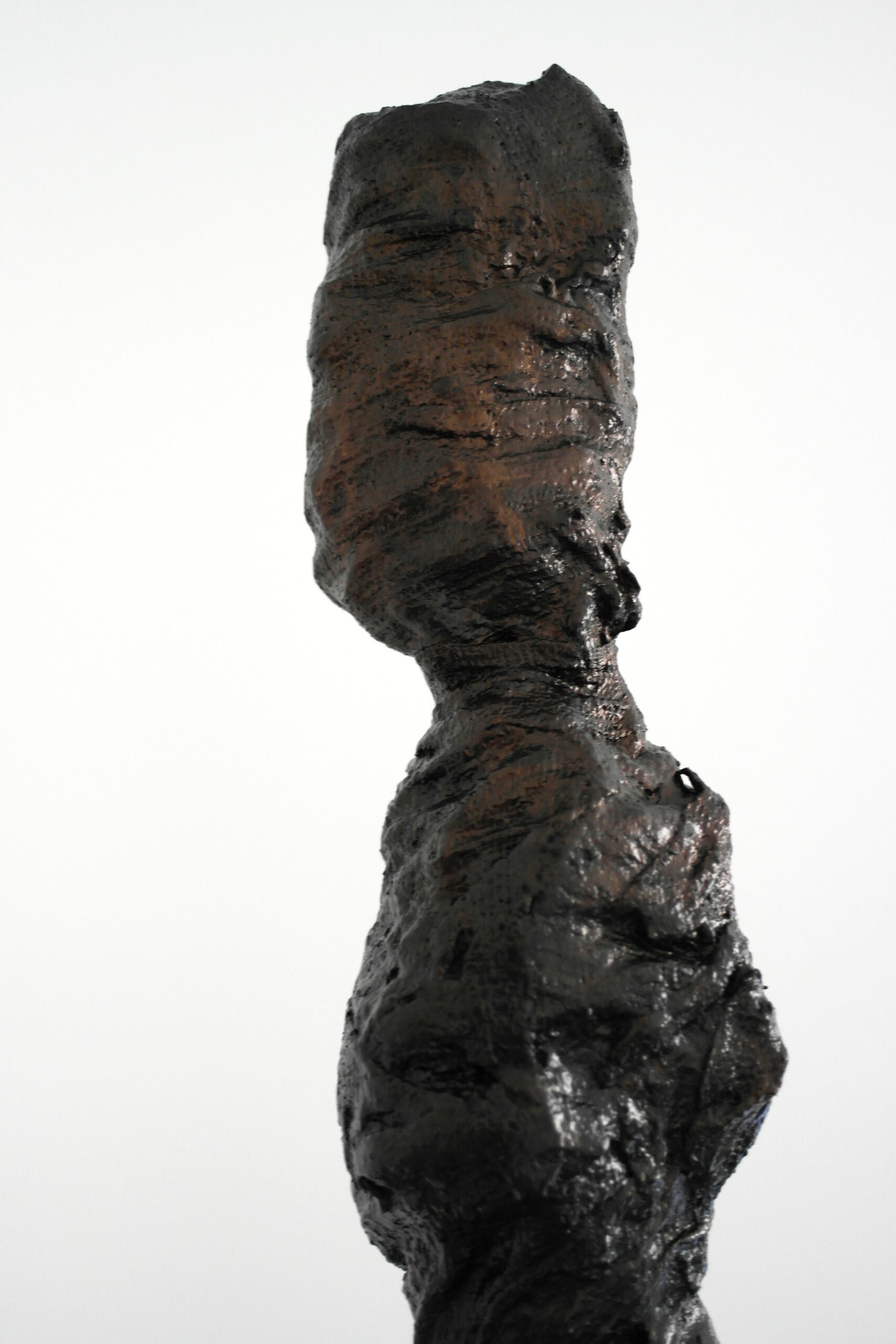
picture shows photo from sculpture by (c) Artémis Athénaïs: amorph konret Nr. 5, 2013;
photo (c) 2013 Karl Baumann – shot with SAMSUNG NX20 camera in Stuttgart.
