

While the United Nations (UN) – and in particular the UN Climate Change (UNFCCC) – is making its way toward another final statement of the 31st Conference of the Parties (COP31) without a concrete and legally binding framework for transitioning away from the most destructive and unhealthy fossil fuels (coal, oil, gas), moving away from destructive and unhealthy industrial meat production, and destructive and unhealthy deforestation, a very basic question is fundamental: Is there a structural reason – and structure is always stronger than or determines process – why we experience this lack of performance in mitigating the by far greatest threat to a healthy humanity: global warming, climate disruption, and biodiversity loss?
“Insanity is doing the same thing over and over again and expecting different results.”
(Rita Mae Brown)
The clear answer to this question from my side: Yes!
António Guterres (UN Secretary-General), Simon Stiell (UN Climate Change Executive Secretary) and their teams are doing a fantastic work – most likely the best possible given their organisational and institutional structures.
So, if we want to boost the performance of the processes, we had better reorganise the structure first. In my view, there is a very strong demand for a significantly new and thus successful way to mitigate fossil fuel (coal, oil. gas) emissions, industrial meat production, and deforestation.
This new way, in our view, starts with a first official global vote on ‘climate action’, carried out by UN Climate Change, making 5.5 billion people aged 16+ easily – they use the internet daily – shift from being affected to participating.
In my view, this is not only a step to boost the performance of global warming mitigation; it is also a significant step toward a much broader structural evolution and development – toward global (direct) democracy and a much stronger, because democratically legitimised United Nations. We call this a Global Democratic Republic.
While we witness the failed global warming mitigation as the by far greatest 100% political failure in human history, we also see a very strong demand to review the bigger picture. And this bigger picture is a “political globalisation” following years of highly successful “economic globalisation.” This “political globalisation” is able to deliver the strong enough structures to rebalance the global economy into the healthy corridor of human life. It is strong enough to manage the Planetary Boundaries with smart market dynamics and globally binding markets for each single Planetary Boundary resource (starting with GHG emissions).
This demands, in the broader picture, a significantly strengthened and re-newed United Nations. And we are now outlining the first five steps for developing such structural change, boosting performance, and making a healthy and thus sustainable society possible:
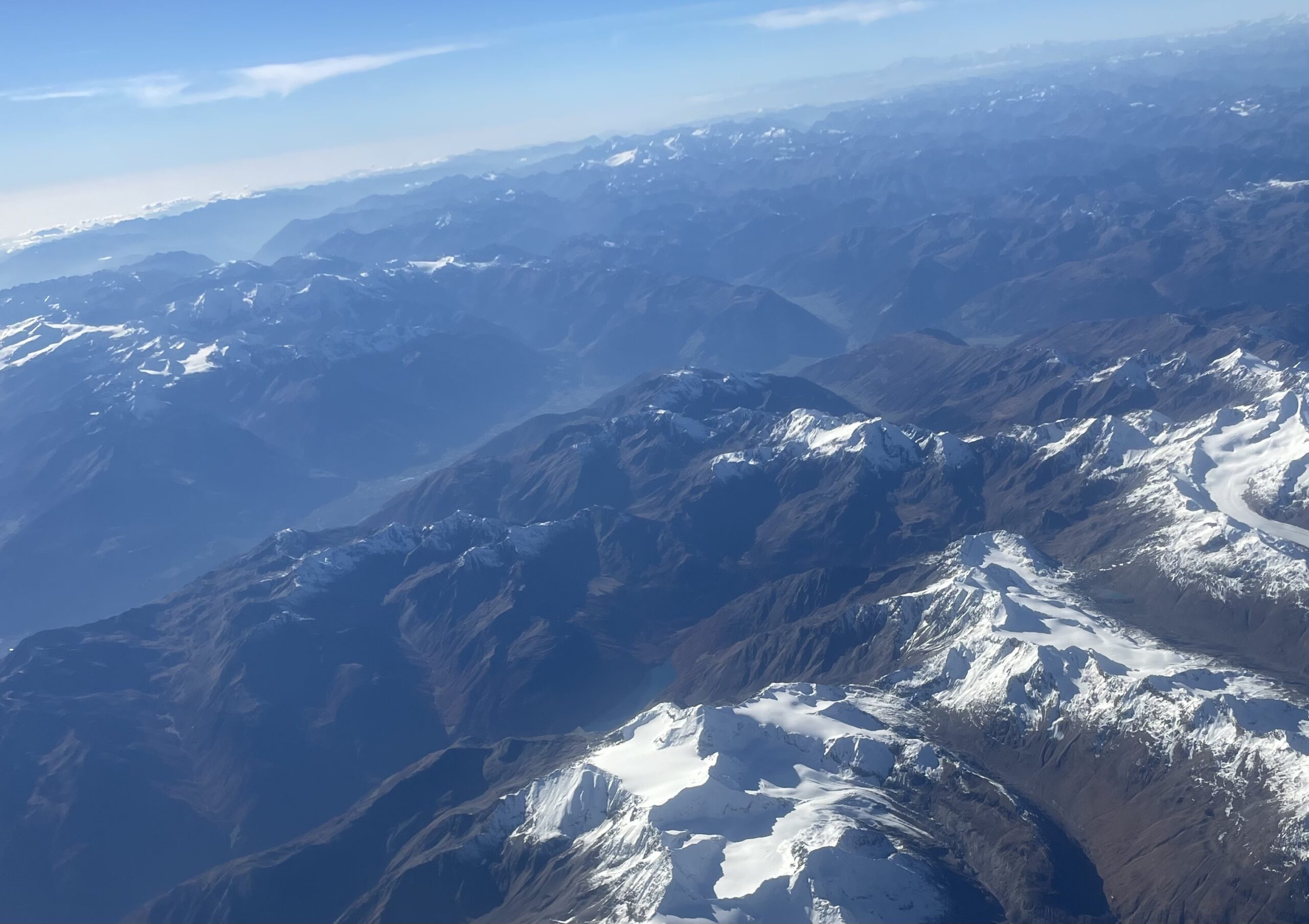
picture shows photo featuring a view over the Alps in Europe from the plain;
(c) 2025 Gabriel Baumann.
our latest publications:
-

UN Climate Change COP31 officially starts dialogue about a first global vote on 'climate action'
-
The Way into a first official Global Referendum on 'Climate Action' with potentially 5.5 billion People in the age 16+
-

Article 109 Coalition, et al. UNGA81 reception underscores support for building global democracy
-

2026 Global Democracy Coalition (GDC) Forum shows strong interest in developing global democracy
-
Horizon Europe "GoGlobalClimate" project proposal submitted
-
2026 state elections in Saxony-Anhalt show significant demand for global democracy
-

UN officially admits: Reducing burning fossil fuels (coal, oil, gas), meat production (beef, pork) and deforestation failed. It is time to vote.
-
Democracy Innovation – David Campbell extends our latest understanding on democracy